Insights
From Flagship to Every Store: Protecting the Brand Promise at Scale

Angelo Todisco | Business Development Manager
When I think back to the installation of DENZA’s first flagship in Bologna, I picture daylight pouring through the tall windows onto a floor still full of cardboard boxes. We were fitting out the showroom for Gruppo Barchetti ahead of the European debut of the Z9 GT. The reception counter was already taking shape, and behind the glass partitions the installation team was still at work. Nearby, tiny points of light illuminated a display wall whose shelves were still empty.
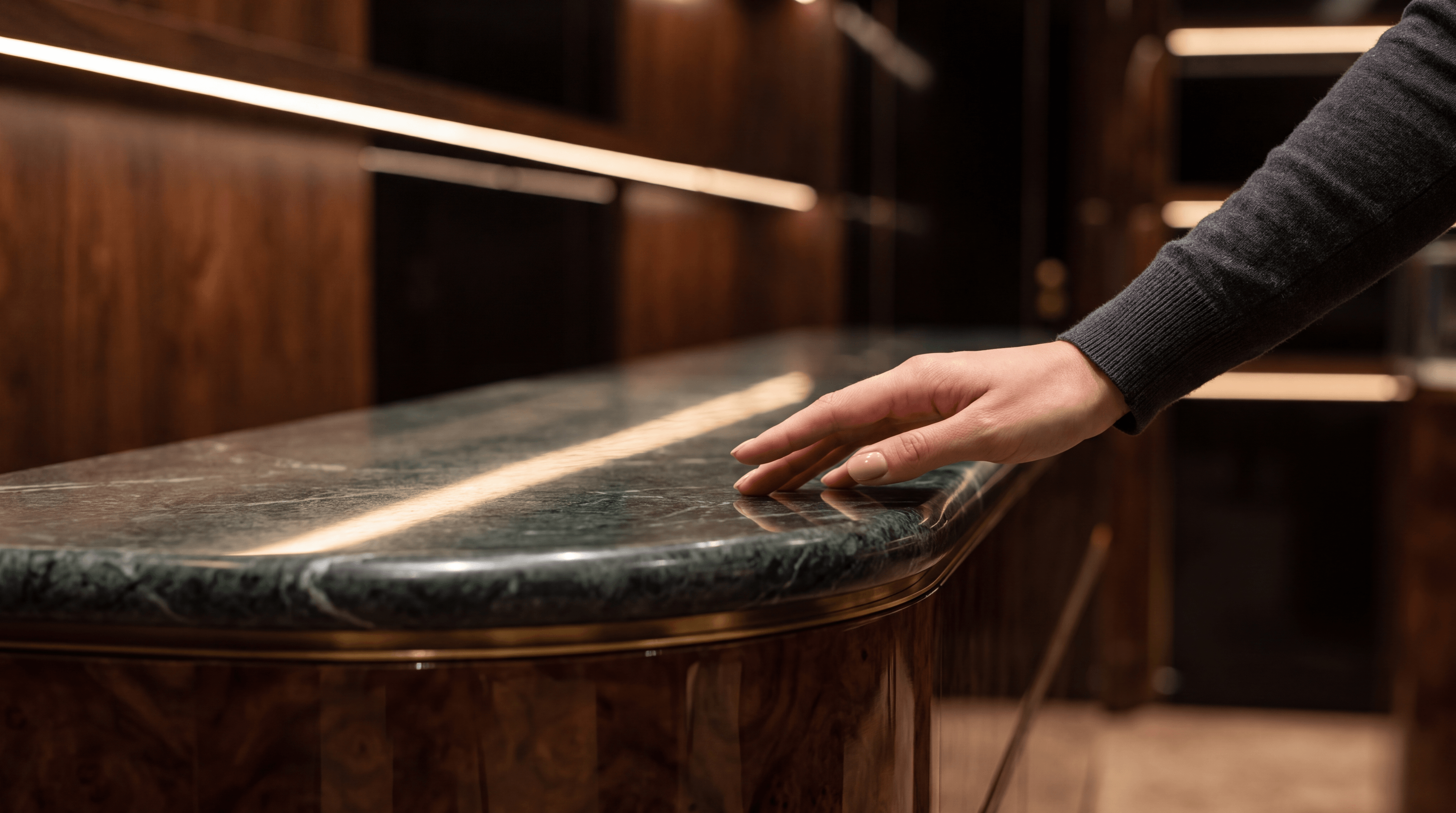
We had selected premium materials and finishes in line with DENZA’s design guidelines. Seeing them in the showroom brought those choices into focus. The daylight softened the metallic finish of the display wall, and the pale counter and glass partitions kept the entrance feeling open. Even with cables still on the floor, I could picture a guest coming in, looking around for a moment, then walking over to the Z9 GT and opening the door. I felt proud thinking about how much work by the team would go into making those first few steps feel effortless.
For many guests, those few steps would be their first encounter with DENZA. That’s what makes a flagship such a responsibility. It sets an expectation that the next showroom will have to meet, even if it occupies a different building, works with different suppliers or opens in a different market.
Consistency with room to adapt
When brands think about scaling a concept, they often imagine reproducing the flagship in every location. A showroom in a historic Italian building has different constraints from one in a new retail park. Local customers have their own expectations, and local suppliers bring different strengths.
In my experience, the best place to start is with two questions. Which parts of the experience are essential? Which can adapt to the site?
The essentials. Signature materials, the quality of the finish and key moments in the customer journey define how the brand feels. They need to be protected in every location.
The elements that can adapt. Layouts, some materials, local sourcing and the scale of certain features can vary by site while keeping the experience recognisable.
Making that distinction early gives local teams a clear basis for decisions.
How governance protects the design
A concept, a set of guidelines, a supply chain and a team on the ground need to work together. Governance defines who makes decisions and how those decisions carry through to the finished showroom.
Approved samples give every site a reference. Clear tolerances and substitution rules tell local suppliers what they can adapt. Audits, reporting and sign-offs at key stages help catch small differences before they spread across a network. Someone also needs to be accountable for protecting the original design intent from the first drawing to the final installation.
BYD Milano Certosa and network expansion
With BYD, the challenge was to open new showrooms quickly across Europe while keeping the brand’s global identity recognisable and meeting local requirements. At Milano Certosa, our team led the production and installation of furniture and display elements, working closely with regional stakeholders.
I like how the visit changes as you move away from the car on display. A wall of colour samples lets you compare finishes in person. A little further along, screens set into the wall show the cars in motion. Curved tables and upholstered chairs give you somewhere to sit down and talk things through with an adviser. Metallic finishes and indirect lighting tie these spaces together.
For me, Milano Certosa shows what is worth carrying from one showroom to the next. The screens and tables can move to suit the building’s layout. Customers should still find it just as easy to get close to the car, compare finishes and ask questions. That experience informed the fit-out model we helped develop to support the growth of BYD’s network.
Concluding thoughts
Every brand I’ve worked with wants customers to feel the same care wherever they walk through the door. That takes early decisions about what matters most, a clear process for carrying those decisions across sites and partners who stay close to the work through installation.
In Bologna, I could already imagine how it would feel to walk in and meet DENZA for the first time. The measure of that work is whether someone can walk into another showroom and feel just as welcome.